


The evolution of gambling from ancient rituals to modern games
The Origins of Gambling
The concept of gambling dates back to ancient civilizations, where it was often intertwined with rituals and religious practices. Archaeological evidence suggests that games of chance were played as far back as 3000 BC in Mesopotamia. Early forms of gambling included betting on the outcomes of games, contests, and even significant life events, reflecting a society’s fascination with luck and fate. As you explore the latest offerings, don’t forget to check out new casinos canada for exciting options in modern gaming experiences.

In ancient Rome, gambling evolved into a more structured activity. Citizens engaged in various games, and even emperors were known to partake. Dice games, in particular, became popular, with various methods of betting and wagering that mirrored modern practices. These early forms of gambling set the stage for the complex systems we see today, highlighting humanity’s enduring quest for fortune and thrill.
The Transition to Organized Gambling
The Middle Ages marked a significant shift in gambling practices, as organized gaming became more prevalent. The introduction of card games and the establishment of early betting houses allowed for increased participation. It was during this period that gambling began to attract scrutiny, leading to regulations in various cultures. Governments recognized the potential for revenue, leading to the establishment of state-sponsored lotteries.
As gambling grew more mainstream, so too did its psychological implications. Many began to explore the reasons behind gambling behavior, with a focus on risk-taking and reward systems. This understanding paved the way for a more nuanced approach to gambling, encompassing not just entertainment but also the psychological dynamics at play.
The Rise of Casinos and Modern Gaming
The 19th century heralded the rise of casinos, particularly in Europe and the United States. The establishment of iconic venues, like Monte Carlo, revolutionized the gambling landscape, offering a refined environment for various games of chance. Slot machines emerged during this period, providing a new avenue for players seeking instant gratification without the need for complex strategies.
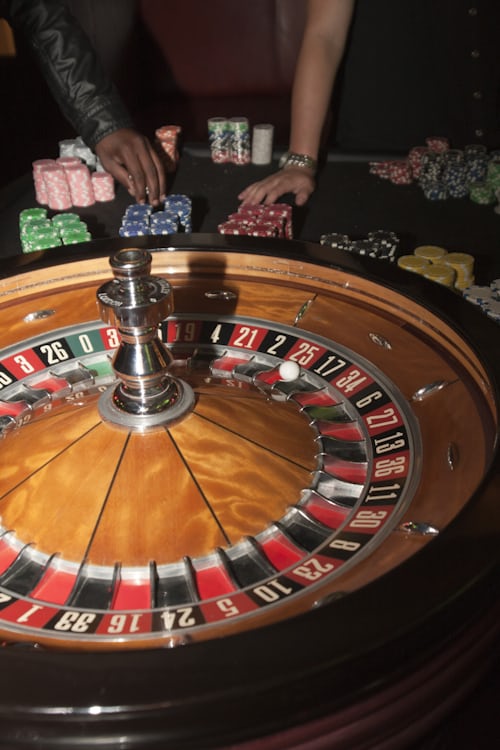
Modern casinos now offer a vast array of games, each designed to cater to different preferences and styles. The intricate designs, vibrant atmospheres, and technological advancements have all contributed to making casinos a cornerstone of entertainment in many cultures. The evolution of gambling from simple dice games to sophisticated casino experiences demonstrates the industry’s adaptability and enduring appeal.
The Digital Revolution and Online Gambling
The advent of the internet has transformed gambling yet again, introducing online casinos and mobile gaming to a global audience. Players now have access to a wide variety of games from the comfort of their homes, making gambling more accessible than ever before. This digital shift has also brought about new concerns regarding regulation, security, and responsible gambling practices.
Online platforms have innovated the user experience, incorporating live dealer games and virtual reality environments. Such advancements allow players to enjoy the excitement of a casino without the need for physical presence. This transformation has not only increased participation rates but also introduced new demographics to gambling, emphasizing the need for continued research into its psychological effects.
Exploring Responsible Gambling Today
As the landscape of gambling continues to evolve, so does the importance of responsible gambling practices. Many online platforms now offer tools and resources to help players manage their gambling behavior effectively. Emphasis on awareness and education aims to mitigate potential risks associated with gambling addiction, ensuring that players can enjoy their experience without adverse consequences.
The commitment to responsible gambling is evident in the policies adopted by many online casinos and gaming sites. By prioritizing player safety and well-being, the industry acknowledges the psychological aspects of gambling, promoting a healthier approach that combines fun with responsibility. As we look to the future, the evolution of gambling will undoubtedly continue, with ongoing advancements and a focus on player welfare.